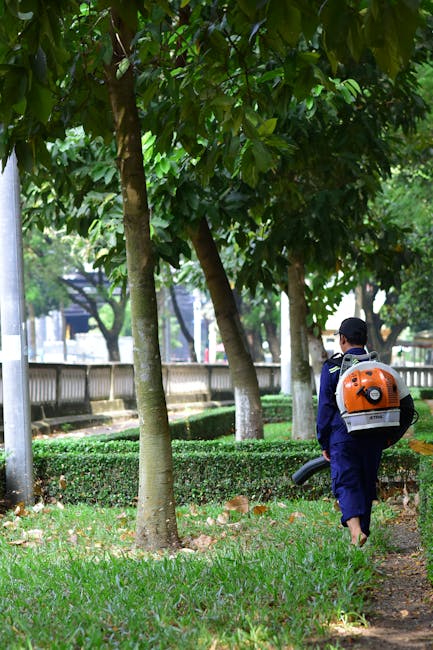
Edmonton Green garden maintenance services for flats N9
If you live in a flat in N9, keeping shared outdoor space tidy can feel oddly complicated. One week the grass is growing faster than you expected, the next the borders look patchy, the bin area is getting scruffy, and nobody is quite sure whose job it is. That is exactly where Edmonton Green garden maintenance services for flats N9 make life easier. They keep communal gardens, entrance planters, small courtyards, and shared green spaces looking cared for without turning the whole thing into a never-ending resident dispute.
In practical terms, good garden maintenance is about more than mowing and sweeping. It is about safety, presentation, plant health, neighbourly peace, and protecting the value of the building. Truth be told, a small amount of regular upkeep usually prevents the bigger, more annoying jobs later on. This guide walks through how it works, what to expect, common mistakes, best practices, and how to choose the right kind of service for flats around Edmonton Green.
Table of Contents
- Why Edmonton Green garden maintenance services for flats N9 Matters
- How Edmonton Green garden maintenance services for flats N9 Works
- Key Benefits and Practical Advantages
- Who This Is For and When It Makes Sense
- Step-by-Step Guidance
- Expert Tips for Better Results
- Common Mistakes to Avoid
- Tools, Resources and Recommendations
- Law, Compliance, Standards, or Best Practice
- Options, Methods, or Comparison Table
- Case Study or Real-World Example
- Practical Checklist
- Conclusion
- Frequently Asked Questions
Why Edmonton Green garden maintenance services for flats N9 Matters
Shared gardens are a small thing until they are not. In a block of flats, the outdoor area can shape the way the whole property feels. A neat lawn, trimmed hedges, and clear paths make a building feel lived-in and well managed. A neglected space does the opposite. Even if the flat itself is spotless, a tired communal garden can make the whole place feel a bit down at heel.
For flats in N9, maintenance matters for a few very practical reasons. First, communal space is used by different people with different expectations. Some residents want a tidy lawn. Others care more about privacy, low allergens, or safe access for children and older neighbours. Second, outdoor areas in London pick up mess quickly. Wind-blown litter, damp patches, weeds in paving, and fast-growing shrubs are all part of the job. Third, small spaces still need proper planning. A narrow side return or courtyard can look chaotic surprisingly fast if it is left to fend for itself.
There is also a social side to this. When shared gardens are maintained regularly, residents tend to use them more. A few chairs outside, a clean path, and a bit of planting can make the space feel like an asset rather than a burden. That is a real difference, especially in a flat where outdoor space is limited. If you want a broader look at how local property grounds are kept in shape, our garden maintenance services page gives a useful overview.
Expert summary: In communal flat settings, good garden care is not just cosmetic. It supports safety, reduces complaints, and makes shared outdoor space feel usable instead of ignored.
How Edmonton Green garden maintenance services for flats N9 Works
Most services for flats begin with a site visit or a quick review of the space. That sounds obvious, but it matters. A maintenance plan for a small paved courtyard will look very different from one for a block with lawn, hedging, trees, and planted borders. The aim is to match the work to the site, not force the site into a standard package.
A typical service may include lawn care, hedge trimming, weeding, leaf clearance, pruning, litter picking, edging, and general tidying. For flats, there is often an added focus on access points, shared entrances, bin stores, and any planting near walkways. If residents or a managing agent want seasonal planting, that can be folded in too. In our experience, the best results come from a regular rhythm rather than a one-off blitz followed by months of silence. A garden can look decent after one big visit, but it usually stays looking better with smaller, steady interventions.
Services for flats also tend to involve a bit more coordination than a private house garden. Someone needs to agree the schedule, confirm access, and clarify what is included. If there are locks, shared gates, or timed entry arrangements, these need sorting in advance. No drama, just practicality.
For residents or landlords who want help with wider external upkeep, it can also be worth looking at commercial gardening support and, where access routes matter, grounds maintenance services. Those pages are especially helpful if the outdoor area is part of a larger managed property rather than a single courtyard.
Key Benefits and Practical Advantages
There are obvious benefits, and then there are the quieter ones that people only notice after a while. The obvious ones are simple: the garden looks better, weeds are controlled, and the communal area feels cared for. The quieter benefits are often the ones that save time, money, and frustration.
- Better first impressions: Visitors, buyers, tenants, and even delivery drivers notice whether a building feels looked after.
- Lower long-term effort: Regular cutting and clearing usually stop problems from becoming heavy-duty jobs.
- Improved safety: Clear paths, fewer trip hazards, and less overgrowth reduce everyday risks.
- Less resident tension: When maintenance is scheduled, fewer people feel they have to chase or complain.
- Healthier planting: Shrubs, beds, and small trees generally do better with proper seasonal care.
- More usable space: A tidy garden is more likely to be used, even if it is only for a morning coffee or a few minutes of fresh air.
There is also a financial angle, though it should be handled sensibly. Well-kept outdoor space can support the perceived value of the building and reduce the need for reactive tidy-ups. Nobody likes paying for an emergency clear-up because the hedges were left too long. It is one of those situations where steady upkeep is usually the cheaper, calmer option.
Who This Is For and When It Makes Sense
These services are useful for a wide mix of people. If you are a leaseholder in a block with a shared garden, you may want a reliable routine so the space does not drift. If you are a landlord, managing agent, or residents' committee member, you may be looking for consistency, clear communication, and fewer complaints. If you are part of a small block of flats where everyone chips in, a formal maintenance plan can stop the usual confusion about who does what.
It also makes sense when the outdoor area is modest but important. A front strip of planting, a bin store border, or a shared patio can still create a lot of day-to-day friction if it is not looked after. A couple of stubborn weeds in the paving might seem minor, but they are often the first thing residents see on the way in. Small things, yes. But small things add up.
You may need this kind of service if:
- the communal garden is being used but not maintained
- residents are regularly raising concerns about tidiness
- the space includes grass, hedges, shrubs, or mixed planting
- there are access or safety concerns around paths and entrances
- you want a predictable schedule rather than reactive call-outs
If you are still weighing up whether an ongoing service is necessary, the real question is simple: can the current arrangement keep the space presentable through spring, summer, and the leaf fall season without arguments? If not, a managed solution is probably worth it.
Step-by-Step Guidance
Here is a practical way to approach garden maintenance for flats in Edmonton Green without overcomplicating things.
- Assess the space properly. Walk the site and note lawns, borders, pots, hedges, trees, bins, access paths, and any areas that cause regular complaints.
- Define the goals. Decide whether the priority is appearance, safety, low maintenance, planting health, or all of the above.
- Set the scope. Write down exactly what is included: mowing, edging, weeding, hedge trimming, leaf clearance, pruning, green waste removal, and any seasonal work.
- Agree the frequency. Weekly, fortnightly, monthly, or seasonal visits each suit different spaces. A small paved area may not need the same rhythm as a larger communal lawn.
- Plan access and communication. Make sure the contractor knows how to enter, who to contact, and what to do if residents raise an issue on the day.
- Review after the first few visits. A service should settle into a rhythm. If one area is always missed, it is better to adjust early.
That last bit matters more than people think. A maintenance plan should not be treated like stone tablets. If the site changes, the plan should change too. Maybe a section of grass is worn out and should become a planting bed. Maybe the back corner collects rubbish and needs more frequent clearing. Good services adapt.
For more specialised seasonal care, it can help to explore hedge trimming services or lawn mowing support if those are the parts of the garden that are hardest to keep on top of.
Expert Tips for Better Results
A few small habits make a big difference, and they are often the bits that get skipped when people are in a rush.
- Keep plant choices realistic. In shared flat spaces, low-maintenance planting usually works better than fussy schemes that need constant attention.
- Prioritise edges and entrances. A tidy path and front approach often change the feel of the whole site more than one extra flower bed ever could.
- Use seasonal timing. Heavy pruning or clearance at the wrong time can damage plant health, so it is worth scheduling work sensibly.
- Watch drainage and damp spots. In London, shaded communal areas can stay wet for ages. That is where moss, mud, and slippery patches show up first.
- Leave room for residents. If people use the garden, avoid planting or furniture arrangements that block movement or make the space awkward.
One simple observation from the field: gardens for flats rarely fail because of one huge issue. They usually drift. A bit of weed growth here, some forgotten leaves there, a hedge left one month too long. Nothing dramatic. Just enough to make the space feel unloved. That is why consistency wins.
And yes, sometimes the most useful upgrade is not a new plant at all. It is a better schedule.
Common Mistakes to Avoid
People often make the same handful of mistakes with communal garden upkeep. These are easy to understand, but they can create avoidable mess and extra cost.
- Using a one-off tidy-up as a long-term plan. The garden may look good for a week, then slip back quickly.
- Ignoring access routes and shared entrances. These areas take wear and grime faster than people expect.
- Letting weeds establish in paving. Once root growth settles in, removal takes longer and looks messier.
- Trimming hedges too hard, too late, or too often. That can weaken the plant and leave the site looking patchy.
- Overplanting small spaces. Too much planting in a tight courtyard can make maintenance awkward and clutter the area.
- Not confirming responsibilities. If nobody knows who is managing the work, jobs get missed. Simple as that.
A slightly less obvious mistake is choosing the cheapest option without checking what is actually included. A low price can be fine if the scope is narrow and clear. But if it quietly excludes waste removal, edging, or seasonal work, the "cheap" quote may become the expensive one. Bit of a trap, that.
Tools, Resources and Recommendations
The right tools matter, but the right approach matters more. For flat blocks, the best maintenance setup is usually practical and efficient rather than fancy.
| Task | Useful tools or methods | Why it helps in flat settings |
|---|---|---|
| Lawn care | Mower, strimmer, edging tools | Keeps small communal lawns neat and manageable |
| Weed control | Hand weeding, hoeing, careful spot treatment where suitable | Protects paving, borders, and entrance areas |
| Hedge and shrub care | Secateurs, hedge trimmer, pruning saw | Maintains shape without blocking paths or windows |
| Leaf clearance | Rake, blower, collection sacks | Reduces slip risks and keeps entrances clear |
| General tidying | Hand tools, grabber, waste bags | Useful for litter, broken branches, and everyday mess |
For readers who want to understand broader outdoor care standards and service patterns, our garden clearance page may be helpful too, especially where a flat's outdoor area has become overgrown and needs a reset before regular upkeep can begin.
Useful resources to keep in mind include:
- a clear site schedule or service plan
- photos of the garden before and after work
- a simple list of priority tasks for each season
- contact details for the person signing off the work
- notes on resident preferences, access rules, and any no-go areas
In practice, a few good photos and a plain-English checklist can save more time than a long email thread. People forget. They always do.
Law, Compliance, Standards, or Best Practice
For flats and communal outdoor areas, it is sensible to think in terms of legal duties, health and safety, and reasonable best practice rather than hard-and-fast assumptions. The exact responsibilities can vary depending on the lease, the management arrangement, and who controls the site. If you are a leaseholder, landlord, or managing agent, it is wise to check the property documents before making commitments about ongoing maintenance.
From a practical point of view, the key issues are usually access, safe working conditions, and avoiding preventable hazards. That means keeping paths clear, reducing trip risks, managing overgrowth near entrances, and making sure waste is removed properly. If contractors are working on site, they should use suitable equipment and take normal precautions for a shared residential environment. Nothing exotic. Just sensible, professional habits.
There can also be building-specific considerations, especially where garden work is close to communal entrances, parking areas, or service routes. If you are unsure whether a task is straightforward or needs extra planning, ask before work starts. It is much easier to clarify access and responsibilities in advance than to sort out a misunderstanding after somebody has trimmed the wrong hedge.
Where formal contracts are involved, good practice usually includes:
- a clear written scope of work
- agreed visit frequency
- waste handling expectations
- who to contact about changes or issues
- any special instructions for residents, parking, or access
If you are comparing providers, look for clarity and consistency rather than big promises. A straightforward, well-run service is often a better fit for communal flats than something overly glossy but vague.
Options, Methods, or Comparison Table
Not every block of flats needs the same type of garden care. The best option depends on how the space is used, how visible it is, and how much time the residents or manager can spare.
| Approach | Best for | Pros | Trade-offs |
|---|---|---|---|
| One-off tidy-up | Overgrown or neglected spaces | Quick reset, immediate visual improvement | Does not keep the garden under control for long |
| Regular maintenance plan | Most communal flat gardens | Reliable, predictable, better long-term condition | Needs coordination and an agreed budget |
| Seasonal visits | Smaller or low-use outdoor spaces | Lower cost, useful for targeted care | May not be enough in busy growing periods |
| Resident-led upkeep | Very small blocks or shared courtyards | Flexible, informal, often cheaper | Can become inconsistent and hard to manage |
In reality, many blocks do best with a mix: a proper reset if needed, followed by regular visits at the right frequency. That combination is often calmer, tidier, and more cost-aware than trying to do everything reactively.
Case Study or Real-World Example
Here is a realistic scenario. A small block of flats near Edmonton Green had a modest communal garden at the rear, plus a narrow front strip and a bin area that always seemed to collect leaves. The residents were not asking for anything elaborate. They just wanted the place to stop looking tired by midweek.
The first step was a simple assessment. The grass needed cutting, the hedges were uneven, weeds had settled into the paved edge, and a couple of planting beds were being crowded out by self-seeded growth. There was also a repeat problem around the entrance path: damp leaves made it look untidy and slightly slippery after wet weather. Nothing dramatic, but enough to irritate people every time they came home.
The maintenance plan focused on the basics. Regular mowing. Edge cutting. Weed control in the paved areas. Seasonal hedge work. Leaf clearance during autumn. A little light pruning to open up the entrance. After the first few visits, the space looked less like an afterthought and more like part of the building. Residents noticed the difference quickly, especially in the morning when the path was clear and the place felt brighter.
The important lesson? The garden did not need to be redesigned. It needed consistency. That is the bit people often miss. You do not always need more work. Sometimes you need the right work, done at the right interval.
Practical Checklist
Use this checklist before starting or renewing a maintenance arrangement for flats in N9.
- Confirm who is responsible for the garden area
- List all shared outdoor spaces that need attention
- Decide the service scope: mowing, weeding, pruning, clearance, waste removal
- Check access arrangements and any resident restrictions
- Set a realistic frequency based on the size and condition of the site
- Ask how changes or issues will be reported
- Clarify whether seasonal work is included or charged separately
- Make sure entrances, paths, and bin areas are included if needed
- Review the site after the first visit or two
- Keep a basic record of what was done and when
If a service can answer those points clearly, you are usually on the right track. If the answers stay fuzzy, keep asking. It saves bother later.
Conclusion
Edmonton Green garden maintenance services for flats N9 are really about making shared space work properly. Not just looking tidy, but staying usable, safe, and pleasant through the changing seasons. For residents, that means less frustration and a better place to come home to. For landlords and managing agents, it means fewer complaints, clearer routines, and a stronger overall impression of the property.
The best approach is usually the simplest one: assess the space honestly, set a realistic schedule, agree what is included, and keep the work consistent. Small courtyards, front strips, and communal lawns do not need fuss. They need attention. Steady, practical attention.
Get a free quote today and see how much you can save.
And if you are still deciding, that is perfectly normal. A good maintenance plan should make life easier, not busier. A well-kept garden has a quiet kind of value, and once you notice it, it is hard to go back.
Frequently Asked Questions
What do Edmonton Green garden maintenance services for flats N9 usually include?
They usually include lawn mowing, edging, weeding, hedge trimming, shrub care, leaf clearance, and general tidying of shared outdoor areas. Some services also cover waste removal and seasonal work.
How often should a communal garden for flats be maintained?
It depends on the size of the space and how quickly it grows, but many shared gardens benefit from regular visits rather than occasional major clear-ups. Weekly or fortnightly care often works well in growing season.
Do flats in N9 need a different maintenance approach than houses?
Yes, usually. Flats often involve shared access, communal responsibility, and more foot traffic. The work needs to suit residents, entrances, bin areas, and any shared decision-making around the site.
Who is normally responsible for garden maintenance in a block of flats?
That depends on the lease, management agreement, or ownership structure. It may be the landlord, managing agent, residents' group, or a shared arrangement. Check the property documents to be sure.
Can a small courtyard still benefit from professional garden care?
Absolutely. Small spaces can look untidy very quickly, especially if weeds, leaves, or overgrown planters build up. A compact courtyard often benefits from steady, simple upkeep.
Is one-off garden clearance enough for a flat block?
Sometimes it helps as a reset, especially if the area has become neglected. But for ongoing presentation and safety, one-off clearance is usually not enough on its own.
What should I ask before booking a maintenance service?
Ask what is included, how often visits happen, whether waste removal is covered, how access is handled, and how changes are reported. Clear answers are a good sign.
How do I keep costs sensible without cutting corners?
Use a realistic schedule, focus on the areas people see and use most, and avoid letting minor issues become big ones. A regular, scoped service is often more cost-aware than reactive fixes.
Are there any compliance or safety points to think about?
Yes. Keep paths clear, reduce trip hazards, make sure access is safe, and agree responsibilities clearly. If there is any uncertainty about access or duty of care, check the building documents and get advice before work starts.
What is the difference between garden maintenance and grounds maintenance?
Garden maintenance usually focuses on planting, lawns, pruning, and tidying. Grounds maintenance can be broader and may also include larger external areas, access routes, and wider site upkeep. For some blocks, both overlap.
Can seasonal leaf clearance really make that much difference?
Yes, especially in shared spaces. Leaves can make paths look neglected, block drainage, and create slippery spots. In autumn, a quick clear-up can change the feel of the whole site, honestly.
How do I know if the garden needs regular maintenance or just a tidy-up?
If the same problems keep returning, regular maintenance is usually the better fit. If the space has only drifted recently, a tidy-up may be enough for now. A quick site review usually makes that pretty clear.