Meridian Water gardeners and small garden solutions in Edmonton
If you live in a compact home, a new-build plot, or a garden that seems to shrink every time you add a chair, you are not alone. Meridian Water gardeners and small garden solutions in Edmonton are about making a small outdoor space feel calm, usable, and genuinely enjoyable rather than cramped and awkward. That might mean better planting, smarter layout, low-maintenance materials, or a simple design that lets you enjoy the garden without spending every weekend chasing weeds.
To be fair, small gardens often ask more of you than bigger ones. Every decision matters. Where you place a path, which plants cope with shade, whether you need storage, how you handle drainage, and how much upkeep you can realistically manage all make a difference. This guide breaks down the practical side of it, with clear steps, useful comparisons, and local-minded advice that helps you choose the right solution for your space.
Whether you want a neat courtyard, a family-friendly patch, a wildlife-friendly setup, or a tidy outside area that just works, the aim is simple: help you make better decisions and avoid expensive mistakes.
Table of Contents
- Why Meridian Water gardeners and small garden solutions in Edmonton Matters
- How Meridian Water gardeners and small garden solutions in Edmonton Works
- Key Benefits and Practical Advantages
- Who This Is For and When It Makes Sense
- Step-by-Step Guidance
- Expert Tips for Better Results
- Common Mistakes to Avoid
- Tools, Resources and Recommendations
- Law, Compliance, Standards, or Best Practice
- Options, Methods, or Comparison Table
- Case Study or Real-World Example
- Practical Checklist
- Conclusion
- Frequently Asked Questions
Why Meridian Water gardeners and small garden solutions in Edmonton Matters
Small gardens can be brilliant. They can also be strangely tricky. A narrow strip, a little rear yard, or a shared outdoor space in a busy London setting has very different needs from a large suburban garden. Light levels change through the day, storage is limited, neighbours are close, and a single poor layout choice can make the whole area feel awkward.
That is why Meridian Water gardeners and small garden solutions in Edmonton matter so much. They are not just about tidying up a plot. They are about turning a limited area into something that supports daily life. A well-designed small garden can give you a place to sit with a coffee on a bright morning, a patch for herbs near the kitchen, or a space where children can play without everything being squashed into one corner.
There is also a practical side. Small gardens are usually easier to maintain when they are designed correctly, but much harder when they are not. A narrow border filled with thirsty plants, for example, can become a constant chore. A patio laid without thinking about drainage can hold water after rain. And yes, these things happen more often than people expect. A tidy-looking space can still be a pain to live with if it has not been planned properly.
In places like Edmonton, where homes can be close together and outdoor space is at a premium, small garden solutions need to do more than look neat. They need to be robust, realistic, and suited to the way people actually live. That means balancing appearance, access, maintenance, privacy, and budget in one coherent plan.
If you are already exploring broader garden support, it can help to look at a few related services as well, such as garden maintenance for ongoing care, landscaping services for bigger structural changes, and garden design when you need a smarter overall layout from the start.
How Meridian Water gardeners and small garden solutions in Edmonton Works
The process usually starts with one simple question: what do you want the space to do? That sounds obvious, but it is the bit people skip most often. A garden can be for relaxing, entertaining, growing plants, drying laundry, playing, storing bikes, or all of those at once. In a small area, priorities matter. Otherwise the garden tries to be everything and ends up being nothing in particular.
Once the purpose is clear, a good small garden plan usually follows a few practical stages:
- Measure the space properly. Not just the obvious dimensions, but awkward corners, access points, where the sun falls, and any drainage issues.
- Decide on priorities. Seating, planting, storage, play space, or low maintenance. You rarely get full marks for all five, so be honest.
- Choose a structure. Paths, paving, raised beds, retaining edges, trellis, and borders create order and make the space feel intentional.
- Select plants that suit the conditions. Shade-tolerant, compact, evergreen, drought-tolerant, or pollinator-friendly plants can all work, depending on the site.
- Plan maintenance from the beginning. A small garden should feel manageable, not like a second job.
The better projects are usually the ones where every element earns its place. A bench may also provide storage. A planted screen may also create privacy. A raised bed may also define the layout. That kind of multi-use thinking is gold in tight spaces.
Another thing worth saying: small garden work is often less about doing more and more about editing well. You do not need every surface covered, every wall filled, or every corner planted. Sometimes a little breathing space is what makes the garden feel larger. Funny how that works, really.
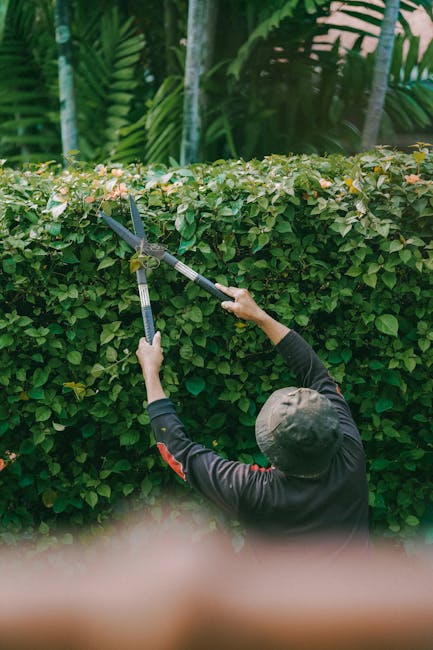
If you are comparing support options, you may also find value in specialist help such as hedge cutting, lawn care, or tree surgery where mature planting or light levels are affecting the usable space.
Key Benefits and Practical Advantages
The biggest benefit of a well-planned small garden is not just looks. It is ease. A space that is designed properly becomes simpler to live with, easier to clean, and more enjoyable to use all year round.
Here are the main advantages people usually notice:
- Better use of every square metre. Smart layouts stop valuable space being wasted on awkward corners or oversized features.
- Lower maintenance. The right planting and surfaces reduce weekend chores and keep the space manageable.
- Improved privacy. Screening, layered planting, and careful positioning can make a small garden feel more secluded.
- More usable seating space. Even a modest patio can become a proper outdoor room when arranged well.
- Cleaner visual flow. A coherent plan makes the garden feel larger than it actually is.
- Better long-term value. A tidy, functional outdoor space is easier to enjoy and easier to present well if you ever decide to move.
There is also a psychological benefit that people sometimes underestimate. A cramped garden that feels messy can make you avoid it. A calm, tidy space invites you outside. That shift matters more than people think, especially in city living where outdoor space becomes a small escape rather than just an area to maintain.
Small solutions also tend to be more budget-sensitive, at least when they are planned carefully. You do not always need a full redesign. Sometimes a better path layout, a few compact beds, and some thoughtful planting can transform the feel of the garden without going overboard.
Who This Is For and When It Makes Sense
Meridian Water gardeners and small garden solutions in Edmonton are a strong fit for people who need practicality as much as appearance. If you recognise yourself in any of the situations below, it probably makes sense to take a serious look at your garden setup.
- You have a small rear garden that feels cluttered or difficult to use.
- You want a low-maintenance outdoor space and are tired of constant upkeep.
- You need to make room for seating, storage, or family use without making the space feel cramped.
- You are dealing with poor drainage, patchy grass, heavy shade, or awkward boundaries.
- You have just moved into a property and the garden is functional, but not quite right.
- You want a more polished look without committing to a major rebuild.
It also makes sense if you are working with a modest budget and want to prioritise the right improvements first. Not every garden needs a full makeover. In fact, many small spaces benefit more from phased work than from trying to do everything at once.
A useful rule of thumb is this: if you regularly feel frustrated by your outdoor space, the garden is probably not working hard enough for you. If you avoid using it because it is too messy, too exposed, or too awkward, then a smarter solution is overdue.
That said, not every issue needs a dramatic fix. Sometimes the right answer is simply to simplify. Less lawn, fewer plant types, better storage, clearer circulation. Nice and straightforward, which is refreshing in a world that often overcomplicates everything.
Step-by-Step Guidance
If you are planning a small garden solution, the process becomes much easier when you break it down. Here is a practical route that works well in real life, especially where space is tight and every choice has a visible impact.
1. Start with a real audit of the space
Look at the garden at different times of day. Morning light, afternoon shade, wind exposure, and wet patches all matter. A space that looks fine at noon can behave very differently at 7pm after a wet spell. You want the honest version of the garden, not the optimistic one.
Take note of:
- sun and shade patterns
- areas that stay soggy or dry out fast
- where people naturally walk
- where you want to sit
- where storage or bins need to go
- what feels visually messy or cramped
2. Decide what must stay and what can change
Not everything needs removing. Maybe there is one mature shrub worth keeping, or a paving section that still works. Equally, sometimes the honest answer is that the lawn is more trouble than it is worth. You do not need to keep a tired feature just because it has always been there.
3. Build the layout around function first
In small gardens, structure comes before decoration. Paths should make movement natural. Seating should not block access. Screens should improve privacy without creating a boxed-in feeling. Raised beds can help define zones, but they should not gobble up too much room.
4. Choose plants that suit the conditions
Plant choice should follow site conditions, not wishful thinking. If a garden is shady for most of the day, choose plants that cope with that. If the area is exposed, go for wind-tolerant, sturdy planting. For low-maintenance gardens, evergreen structure and reliable perennials often work better than a large number of fussy seasonal plants.
5. Add layered detail carefully
Once the bones are in place, add texture with containers, climbers, lighting, and smaller planting pockets. The trick is not to overload the space. In a compact garden, a few strong features usually beat lots of little ones fighting for attention.
6. Plan for upkeep from day one
Ask the awkward question early: who is going to maintain this, and how often? If the answer is "not very often," then choose hardy materials and forgiving planting. If the answer is "me, but only on weekends," keep things simple and honest.
This is also the stage where professional support can save time. If you need a more structured approach, services like fencing for privacy, patio services for a practical seating area, or garden clearance for a fresh start can make a big difference.
Expert Tips for Better Results
Good small gardens rarely happen by accident. They usually come from a few clever decisions made early, before the first spade goes in. Here are the tips that matter most.
- Use repetition. Repeating materials or plant shapes helps a small garden feel calmer and more spacious.
- Keep the palette tight. Too many paving styles or plant colours can make the area feel busy fast.
- Think vertically. Walls, trellis, climbers, and narrow shelving can create interest without taking floor space.
- Choose furniture with a light footprint. Foldable or slim-line pieces often work better than bulky sets.
- Let one feature lead. A single strong focal point, such as a tree, a bench, or a textured wall, is often enough.
- Leave some open space. Not every corner needs filling. A little emptiness can make the whole thing breathe.
One practical observation: the best small gardens usually feel easier after a rain shower, not worse. That means the drainage, surfacing, and planting have all been thought through. If the space turns messy every time the weather changes, the design needs another look.
And yes, lighting matters more than many people expect. A small light near a path, seating area, or planting feature can transform the mood in the evening. Nothing theatrical. Just enough to make the garden feel usable after dusk, especially in the darker months when you want a bit of warmth outside.
Expert summary: In a small garden, success usually comes from restraint, not excess. Prioritise function, choose plants that match the conditions, and make every feature earn its place. That is the real trick.
Common Mistakes to Avoid
Small gardens can go wrong in a handful of predictable ways. The good news is that most of them are avoidable once you know what to watch out for.
- Trying to fit too much in. A seating area, dining set, lawn, storage, and a large border may simply be too much for a compact space.
- Ignoring shade and aspect. Plants that look great in a catalogue may fail quickly if they are in the wrong location.
- Using too many materials. A jumble of paving, gravel, decking, and edging styles can make the space feel restless.
- Forgetting maintenance. A design that looks fantastic in month one can become a burden by month six if upkeep was not considered.
- Poor drainage planning. Waterlogged corners are a nuisance and can damage finishes over time.
- Blocking movement. You should be able to move through the garden without squeezing past awkward obstacles.
Another common mistake is hiding all the practical stuff in a rush. Bins, tools, and cleaning items need somewhere sensible to go. If they are left to compete with the nice bits of the garden, the whole space starts to feel messy, even when it is tidy on paper.
Truth be told, many people over-invest in decoration and under-invest in structure. It is backwards. Get the structure right first, then add the pretty stuff.
Tools, Resources and Recommendations
You do not always need a huge toolkit to improve a small garden, but you do need the right set of tools and a sensible plan. For straightforward upkeep and small upgrades, these basics go a long way.
| Need | Useful approach | Why it helps |
|---|---|---|
| Basic upkeep | Hand tools, pruning tools, and regular litter removal | Keeps the space tidy without overcomplicating the job |
| Planting structure | Raised beds, containers, and climbers | Adds height and interest without using much floor space |
| Privacy | Trellis, fencing, and layered planting | Makes the garden feel calmer and more enclosed |
| Usable seating | Compact patio or simple decked area | Creates a dedicated place to relax without wasting room |
| Low-maintenance design | Evergreen planting and durable surfacing | Reduces seasonal upheaval and ongoing work |
If you are not sure where to begin, it can help to start with a simple site plan and a rough list of priorities. Even a sketch on paper can reveal problems quickly. For example, you may realise the patio is too large, or the bin storage blocks the natural route to the shed. Little things, but they add up.
Support pages and related services that often help at this stage include garden clearance, patio services, fencing, and hedge cutting when boundaries and structure need attention before planting begins.
Law, Compliance, Standards, or Best Practice
For small garden work, the main concerns are usually practical rather than highly regulated, but good practice still matters. If you are changing boundary treatments, affecting drainage, working close to shared walls, or dealing with large trees, it is sensible to check what applies before you start. This is especially true in built-up areas where neighbours, access, and privacy can all become part of the conversation quickly.
If a project involves contractors, ask for clear details about the scope of work, materials, and aftercare. That is not being awkward. It is just sensible. You want everyone to understand what is included and what is not, especially if the job is being done in stages.
Best practice usually includes:
- confirming property boundaries before installing fencing or hard landscaping
- thinking carefully about water run-off and drainage
- keeping access routes clear and safe during work
- choosing durable, appropriate materials for the setting
- making sure tree or hedge work is handled responsibly
If you are unsure about whether a particular change needs checking, a cautious approach is best. Rules and expectations can vary depending on the type of property and the scale of the work. In other words: when in doubt, pause and ask before you cut, build, or remove something major.
Options, Methods, or Comparison Table
There is no single right way to improve a small garden. The best solution depends on how you use the space, how much maintenance you can handle, and whether you want a soft planted feel or a more structured outdoor room.
| Method | Best for | Pros | Trade-offs |
|---|---|---|---|
| Full redesign | Very awkward or tired gardens | Most complete transformation, best for long-term use | Higher upfront cost and more planning |
| Phased improvement | Budget-conscious homeowners | Spreads cost, easier to manage, flexible | Takes longer to finish |
| Plant-led refresh | Spaces with good structure already | Quick visual improvement, softer look | Less impact if the layout is poor |
| Hard landscaping focus | Problem layouts or drainage issues | Creates order, improves usability | Can feel stark if planting is ignored |
| Low-maintenance simplification | Busy households and older properties | Less upkeep, cleaner appearance | Can feel less lush if overdone |
For many Edmonton homes, a phased approach is the sweet spot. You can fix the most annoying issues first, then add planting and finishing touches later. That keeps momentum without forcing a rushed decision.
Case Study or Real-World Example
Imagine a small rear garden behind a terraced home in Edmonton. It has a patchy lawn, a narrow strip along one fence line, and a patio that is just about big enough for two chairs, though not comfortably. The owners want something low-maintenance, a little more private, and suitable for weekend meals outside when the weather plays nicely.
The first step is not to rip everything out. It is to look carefully at how the space is actually used. In many cases like this, the path people walk is more useful than the patch of lawn they keep mowing around. Once that becomes clear, the layout can be simplified.
A practical solution might include:
- reducing the lawn to free up more usable space
- expanding the seating area just enough for a small table
- adding a slim planted border with hardy, compact species
- using trellis and climbers for privacy along one boundary
- introducing storage that sits neatly against a wall
What changes most is not just the appearance, but the feel. The garden stops feeling like a leftover patch behind the house and starts feeling like part of the home. A place you can step into on a mild evening, hear a bit of traffic in the distance, and still feel that you have your own corner. Small thing, maybe. But a real one.
That kind of project does not need to be lavish. It needs to be considered. And that is usually where the best results come from.
Practical Checklist
Use this checklist before you begin any small garden project in Edmonton.
- Measure the garden accurately.
- Note sun, shade, and drainage patterns.
- Decide the top three things the garden must do.
- Keep one clear route through the space.
- Choose materials that suit the weather and use level.
- Pick plants that match the site conditions.
- Allow space for storage and bins if needed.
- Avoid overcrowding the garden with too many features.
- Plan maintenance realistically.
- Check boundaries and any work that may need special care.
If you can tick most of those boxes, you are already ahead of many projects. Not glamorous, I know, but solid. And solid tends to age well.
Conclusion
Meridian Water gardeners and small garden solutions in Edmonton are really about making compact outdoor spaces work in the real world. Not just looking good for a day, but staying useful, manageable, and pleasant through the seasons. When the layout is sensible, the planting suits the site, and the maintenance load fits your life, even a small garden can feel surprisingly generous.
The best results usually come from restraint, thoughtful planning, and a clear eye for what matters most. You do not need to chase every trend or cram in every idea. You just need a garden that feels like it belongs to you and supports the way you actually live. That is the bit people remember.
Get a free quote today and see how much you can save.
And if all you do next is measure the space, notice where the light falls, and decide what you really want from the garden, that is already a proper start. One good decision at a time.
Frequently Asked Questions
What do Meridian Water gardeners and small garden solutions in Edmonton usually include?
They usually include practical improvements such as layout planning, planting advice, garden maintenance, patio or paving work, privacy screening, and low-maintenance design choices. The exact mix depends on the space and what you want it to do.
Is a small garden worth redesigning?
Yes, if the space feels awkward, underused, or hard to maintain. Small gardens often benefit more than large ones from a good redesign because every square metre matters. A few smart changes can make a big difference.
How do I make a tiny garden feel bigger?
Use a simple layout, limit the number of materials, keep some open space, and choose lighter or more reflective surfaces where appropriate. Vertical planting and repeated design elements can also help the space feel calmer and less cluttered.
What are the best low-maintenance plants for a compact garden?
The best plants are usually those that suit the garden's light, soil, and exposure. Evergreen structure, hardy perennials, and compact shrubs often work well, but the right choice depends on the site. Matching the plant to the conditions matters more than chasing trends.
Do small gardens need professional design?
Not always, but professional design can help if the space is awkward, expensive to get wrong, or expected to serve several functions at once. A good plan often saves money by preventing mistakes and unnecessary changes later on.
How much maintenance does a small garden need?
It depends on the design. A well-planned small garden can be fairly low maintenance, while a crowded or plant-heavy layout may need regular attention. The goal is to choose features that suit how much time you actually have.
Can I have both seating and planting in a small garden?
Yes, absolutely. The trick is to make each part compact and purposeful. A slim seating area, raised beds, and vertical planting often work well together without making the garden feel full to the brim.
What should I avoid in a small garden layout?
Avoid overcrowding, mixed-up materials, poor drainage planning, and placing large features where they interrupt movement. It is usually better to have fewer, stronger elements than too many small ones competing for attention.
Is a lawn a good idea in a small garden?
Sometimes, but not always. In very compact gardens, a lawn can take up valuable space and increase maintenance. Many homeowners choose to reduce the lawn or replace part of it with paving, planting, or storage space.
How do I add privacy without making the garden feel boxed in?
Use layered planting, trellis, slim fencing, and selective screening rather than solid barriers everywhere. The idea is to filter views, not shut the garden off completely. That balance makes a small space feel private without feeling closed.
What is the best first step if my garden needs a lot of work?
Start with a clear assessment. Measure the space, note problem areas, and decide what must stay and what can go. If the garden is very overgrown or cluttered, a clearance stage may be the smartest first move before any redesign begins.
Are there any best-practice issues I should check before work starts?
Yes. If you are changing boundaries, handling drainage, or working near trees or shared structures, it is sensible to check the practical and legal implications first. A careful approach helps avoid misunderstandings and wasted work.